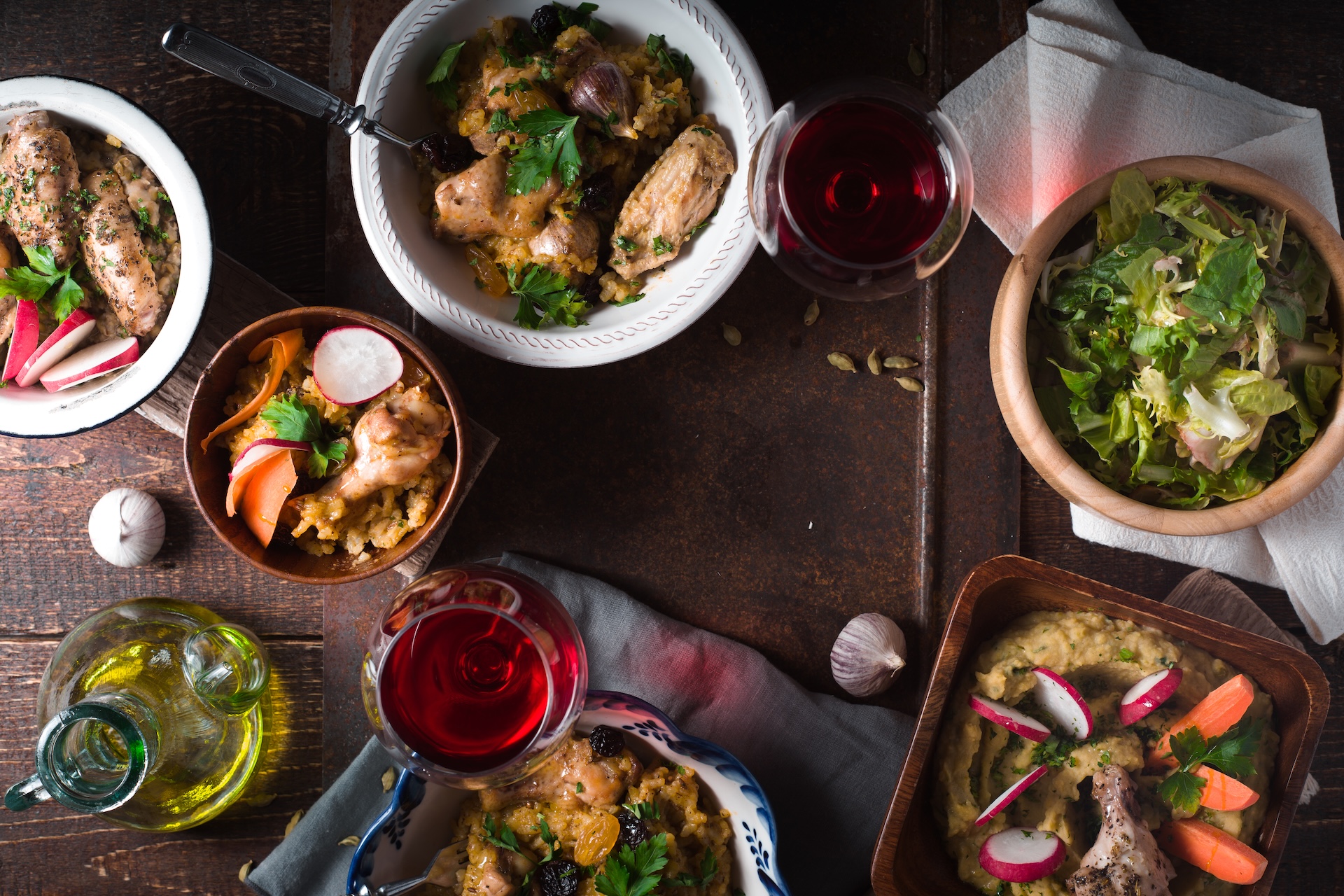
Jambalaya: A Culinary Symphony from Louisiana
Jambalaya is more than just a dish; it's a vibrant narrative woven into the very fabric of Louisiana's diverse cultural tapestry. This iconic, single-pot, rice-based meal is a beloved staple throughout the state, celebrated for its hearty character and the unique blend of flavors that emerge from its rich history. At its heart, authentic jambalaya combines rice simmered with an array of proteins – typically chicken, sausage (often the spicy, smoky andouille), and shrimp – alongside the foundational "Holy Trinity" of diced onion, celery, and bell pepper. Garlic, a flavorful stock, and a symphony of seasonings like cayenne pepper and thyme complete the ensemble, all cooked down to perfection in one pot.
The origins of jambalaya are as complex and flavorful as the dish itself, tracing back to the 18th century. It's a true culinary melting pot, born from a brilliant fusion of Spanish paella (adapted without its costly saffron), French cooking techniques, the robust rice-cooking methods brought by West African enslaved people (possibly akin to jollof rice), and local Native American and German influences. This incredible synthesis created a dish that not only satisfied hunger but also captured the essence of Louisiana's colonial past. The very term "jambalaya" is believed to originate from the Provençal French dialect word
jambalaia, meaning "mishmash" or "jumble"—a fitting description for a dish that artfully combines such diverse ingredients. Its presence in print dates back to 1878, cementing its status as a longstanding Louisiana tradition. For a deeper dive into its fascinating heritage, explore
Jambalaya's Journey: A Cultural History of Louisiana's Iconic Dish.
The Tale of Two Jambalayas: Creole vs. Cajun
While all jambalaya embodies Louisiana's spirit, the state proudly boasts two distinct styles, each a reflection of its geographical and cultural roots: Creole and Cajun. These variations, though sharing common DNA, offer vastly different flavor profiles and appearances, sparking passionate—and often humorous—debates among aficionados. Understanding these differences is key to truly appreciating the breadth of this incredible dish.
Creole Jambalaya: The Urban Elegance
Associated primarily with urban New Orleans, Creole jambalaya is often referred to as "red jambalaya" due to its most distinguishing characteristic: the inclusion of
tomatoes. These tomatoes, whether fresh, canned, or as paste, lend a vibrant reddish hue and a brighter, slightly tangier flavor profile to the dish. Creole jambalaya tends to be milder and more herbaceous, often featuring notes of oregano and basil alongside the ubiquitous cayenne. Its proteins typically include a combination of chicken, pork or smoked sausage, and shrimp, sometimes even featuring historical additions like oysters, as seen in early recipes. The flavor is complex but generally perceived as more refined and less intensely spiced than its rural counterpart, reflecting the cosmopolitan influences of New Orleans' culinary scene.
Cajun Jambalaya: The Rural Heartiness
Hailing from the rural bayous and prairies of Acadiana—the heartland of Cajun culture—Cajun jambalaya stands in stark contrast to its Creole cousin. The defining feature of Cajun jambalaya is its deliberate
omission of tomatoes. Instead, its deep, earthy color and profound flavor come from browning the meats thoroughly and, crucially, often from a rich, dark roux. This roux, a mixture of fat and flour cooked until it achieves a dark, nutty color, contributes a smoky depth and incredible complexity that defines the dish. Cajun jambalaya typically uses more robust and often smoked or game meats, such as pork, deer, and especially local smoked sausages like andouille, with chicken also being a common addition. The seasoning is bolder, with a more pronounced kick of cayenne and black pepper, reflecting the heartier, more rustic cooking traditions of the bayou. This style is often called "brown jambalaya." To learn more about the crucial base ingredients common to both, check out
The Holy Trinity & More: Exploring Jambalaya's Core Ingredients & Origins.
Beyond the Basics: Shared Foundations and Subtle Nuances
Despite their distinct personalities, both Creole and Cajun jambalaya share fundamental elements that bind them as quintessential Louisiana dishes. The "Holy Trinity" of onion, celery, and bell pepper is non-negotiable for both, serving as the aromatic backbone that sets the stage for all other flavors. Garlic is another essential player, providing pungent depth. Both versions rely on quality stock to cook the rice and infuse it with rich flavor, and both are seasoned liberally with cayenne pepper, though the intensity may vary.
The "single pot" cooking method is also a unifying principle. Whether Creole or Cajun, the magic of jambalaya lies in all ingredients simmering together, allowing their flavors to meld and deepen over time. This method ensures that every grain of rice is imbued with the savory essence of the meats and vegetables. While Cajun jambalaya is renowned for its dark roux, some Creole versions might incorporate a lighter roux for thickening, but it's never the dominant flavor driver as in Cajun style. The choice of rice is also important; long-grain white rice is typically preferred for its ability to absorb flavor and maintain a good texture without becoming overly sticky.
Ultimately, the choice between Creole and Cajun jambalaya often comes down to personal preference for flavor profile. Do you prefer the bright, herbaceous notes and tomato-infused richness of Creole, or the deep, smoky, spice-forward intensity of Cajun? Many Louisianans have a fierce loyalty to one or the other, but both are celebrated as pillars of the state's incredible culinary heritage.
Tips for Crafting Your Own Louisiana Jambalaya
Ready to try your hand at cooking this iconic dish? Here are some essential tips to guide you, whether you lean red or brown:
- Build Flavor Layers: Don't rush the initial steps. For Cajun jambalaya, truly browning your meats to create a fond (the caramelized bits at the bottom of the pot) is crucial before adding your Holy Trinity. For Creole, sautéing the Holy Trinity until deeply softened releases maximum flavor.
- Master the Holy Trinity: Dice your onion, celery, and bell pepper evenly. Sauté them slowly until translucent and fragrant. This foundational aromatic base is critical for either style of jambalaya.
- Rice Matters: Use long-grain white rice. Rinse it briefly if you prefer less starch, but for a truly authentic sticky consistency, some prefer not to. Crucially, pay attention to your liquid-to-rice ratio, which can vary slightly by rice brand. Too much liquid makes it mushy; too little leaves it undercooked.
- Season Thoughtfully: Cayenne pepper is a must, but adjust to your heat preference. Taste and adjust your seasonings throughout the cooking process. For Creole, don't forget basil and oregano. For Cajun, rely on black pepper, garlic powder, and onion powder to complement the smoky notes.
- Don't Stir Too Much: Once the rice is added and liquid brought to a simmer, cover the pot tightly and resist the urge to stir constantly. This allows the rice to steam evenly and prevent it from becoming gluey. A gentle stir towards the end to fluff is usually sufficient.
- Quality Meats: Invest in good quality sausage, like authentic smoked andouille. Fresh chicken and shrimp also make a significant difference. Browning the meat well before adding other ingredients locks in flavor.
- Patience is a Virtue: Jambalaya isn't a fast dish. The best results come from allowing flavors to meld and deepen over time. Plan for at least an hour of active cooking and simmering.
Conclusion
From the bustling streets of New Orleans to the tranquil bayous of Acadiana, jambalaya stands as a testament to Louisiana's profound ability to blend cultures and ingredients into something truly extraordinary. Whether you prefer the vibrant, herbaceous embrace of Creole jambalaya or the deep, smoky, spice-forward punch of its Cajun counterpart, both versions offer a delicious journey into the heart of Louisiana's culinary soul. Each spoonful tells a story of diverse influences, ingenious adaptation, and an unwavering passion for flavor. So, gather your ingredients, choose your style, and dive into the delectable world of jambalaya – a dish that truly embodies the spirit of the Pelican State.