A culinary icon, a symbol of fusion, and a dish beloved across the globe – jambalaya is far more than just a meal; it's a vibrant tapestry woven from Louisiana's rich history and diverse cultural influences. From its humble origins in single-pot cooking to its celebrated status at festivals and family tables, this rice-based masterpiece captivates with its robust flavors and compelling story. But what truly makes a jambalaya? Beyond the medley of ingredients, lies a careful balance of aromatics, proteins, and seasonings that form its very soul. Let’s dive into the core components and fascinating journey that define this quintessential Louisiana dish.
The Heart of Jambalaya: Unpacking the "Holy Trinity" and Core Proteins
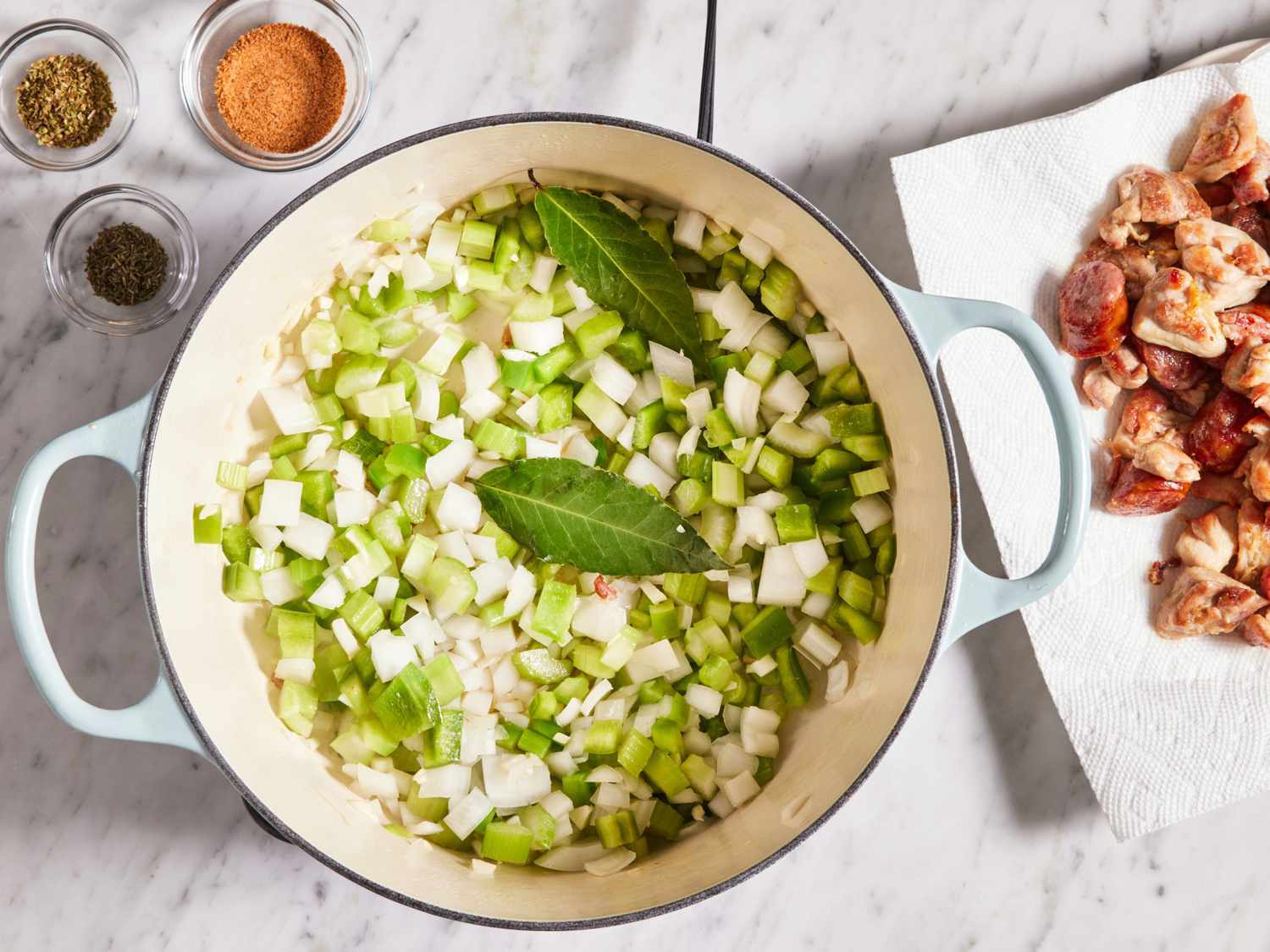
At the very foundation of any authentic jambalaya lies a triumvirate of humble yet potent vegetables, affectionately known as the "Holy Trinity." This sacred trio of diced onion, celery, and bell pepper forms the aromatic base for countless Louisiana dishes, providing a depth of flavor that is both unique and irreplaceable. When sautéed until softened, these vegetables release their essential oils and sweetness, laying down the groundwork upon which the rest of the dish's complex profile is built.
Complementing the Trinity are the indispensable proteins that give jambalaya its hearty character. While variations abound, classic choices typically include:
- Andouille Sausage: This smoked, spiced pork sausage is arguably the most iconic protein in jambalaya. Its deep, smoky flavor and slightly coarse texture infuse the entire dish with a characteristic richness. Achieving a good caramelization on the sausage pieces during the initial cooking phase is crucial for developing maximum flavor.
- Chicken: Often boneless, skinless chicken thighs or breasts are cut into bite-sized pieces and browned, adding a tender, savory element that absorbs the surrounding spices beautifully.
- Shrimp: A popular addition, especially in Creole versions, shrimp is typically added towards the end of cooking to ensure it remains succulent and doesn't become overcooked and rubbery.
The beauty of jambalaya lies in its versatility. Beyond these staples, cooks might incorporate other meats such as pork, ham, or even game meats, particularly in rural Cajun preparations, further personalizing the dish. The choice of protein significantly influences the overall flavor and texture, allowing for endless delicious interpretations.
A Culinary Melting Pot: Tracing Jambalaya's Rich History
The story of jambalaya is a fascinating journey through time, reflecting Louisiana's unique colonial past and the fusion of multiple culinary traditions. Its origins, tracing back to the 18th century, paint a vivid picture of adaptation and innovation.
The most widely accepted theory posits that jambalaya evolved from a Spanish paella, brought to the New World by Spanish settlers. However, faced with the scarcity and expense of saffron – a key ingredient in traditional paella – Louisiana cooks ingeniously substituted it with locally available ingredients, including the "Holy Trinity" and often tomatoes, to achieve color and flavor. This Spanish influence merged seamlessly with French cooking techniques, particularly the single-pot method, which was practical and efficient.
Further enriching this culinary lineage were the contributions from West African cultures, likely brought by enslaved people. Rice-cooking methods, possibly akin to dishes like Jollof rice, would have played a significant role in shaping the preparation of this new rice-based meal. Additionally, local Native American ingredients and German influences further contributed to the burgeoning culinary landscape of Louisiana. For a deeper dive into this fascinating evolution, explore Jambalaya's Journey: A Cultural History of Louisiana's Iconic Dish.
Jambalaya's appearance in print dates back to 1878, where it was featured as "Jam Bolaya" with chicken and oysters in the *Gulf City Cook Book*. More Louisiana-specific recipes followed in Lafcadio Hearn's 1885 collection, *La Cuisine Creole*, cementing its place in the regional culinary canon.
Creole vs. Cajun: Two Distinctive Jambalaya Styles
While sharing a common name, jambalaya boasts two primary, distinctive styles, each reflecting the unique culinary heritage of its origin. Understanding the difference between Creole and Cajun jambalaya is key to appreciating the depth of Louisiana's gastronomic landscape.
Creole Jambalaya (Red Jambalaya)
Associated with urban New Orleans and its diverse, cosmopolitan population, Creole jambalaya is often characterized by its vibrant red hue. This color comes from the inclusion of tomatoes (or tomato paste) in the cooking process. Creole versions tend to have a milder, more herb-inflected flavor profile, often incorporating spices like oregano and basil alongside the traditional cayenne and thyme. Proteins typically lean towards readily available ingredients like chicken, shrimp, and sausage, reflecting the urban port city's access to a variety of fresh produce and seafood.
Cajun Jambalaya (Brown Jambalaya)
Hailing from the rural, bayou country of Acadiana, Cajun jambalaya presents a stark contrast. It conspicuously omits tomatoes, resulting in a rich, brownish color. The smoky depth of Cajun jambalaya is often achieved through the creation of a dark roux (though not always a traditional flour-based roux, but rather the intense browning of meats and the "Holy Trinity" to create a fond) and the use of bolder spices. Smoked meats, such as various types of smoked sausage, ham, or even wild game, are frequently featured, reflecting the hunting and farming traditions of the region. The flavor is typically more robust and spicier, a testament to the hearty palates of the Acadian people.
Choosing between Creole and Cajun jambalaya often comes down to personal preference for flavor, spice level, and the presence of tomatoes. Each style offers a delicious glimpse into its respective cultural roots and ingredient availability. To learn more about these fascinating distinctions, delve into Creole vs. Cajun Jambalaya: Decoding Louisiana's Culinary Traditions.
The Name Game: Decoding "Jambalaya"
The very word "jambalaya" is as colorful and layered as the dish itself, carrying a history that speaks to its "mishmash" character. Linguistic research points to a fascinating origin, firmly rooted in European culinary traditions rather than local Creole coinages.
The most compelling evidence suggests that the term originates from the Provençal French dialect word jambalaia (or variant jambaraia). This word denotes a "mishmash," "jumble," or "rabble"—an apt description for a dish that combines diverse ingredients into a single pot. This derivation aligns with southern French culinary traditions, which include mixed rice dishes that predate the term's appearance in English-language records from 1849, when it first described a preparation involving chicken and rice akin to contemporary versions.
Within Provençal and broader Occitan linguistics, jambalaia belongs to a semantic family encompassing terms for poultry offal (jambinetto or jambineta, possibly evoking "leg" from French jambe) or disordered assemblages. The term's adoption in Louisiana reflects phonetic adaptation in the colonial melting pots, where Provençal influences arrived via French settlers from regions like Languedoc, rather than direct imports from Provence itself. This linguistic journey underscores the complex cultural exchanges that shaped Louisiana Creole contexts post-1760s.
While some folk etymologies propose "jambalaya" as a Creole fusion of French jambon ("ham") with West African words for rice such as ya or aya (from languages like Wolof), these theories require strained phonetic contortions and ignore the chronological precedence of the Provençal form. Similarly, unsubstantiated claims linking it to Native American Atakapa phrases or unrelated Arabic terms lack attestation in pre-19th-century sources and historical dictionaries, rendering them linguistically untenable.
Jambalaya Beyond the Pot: Cultural Significance & Celebration
More than just a delicious meal, jambalaya stands as a powerful symbol of Louisiana's cultural synthesis. It embodies the ingenuity and adaptability of its people, transforming a blend of influences into something uniquely American. Its versatility makes it suitable for both intimate family dinners and grand public gatherings.
Indeed, jambalaya is a fixture at festivals and celebrations across the state. A prime example is the annual Gonzales Jambalaya Festival, which has been held since 1968. Gonzales, Louisiana, proudly proclaims itself the "Jambalaya Capital of the World," hosting a vibrant event that draws thousands to celebrate the dish, featuring cooking competitions, live music, and endless bowls of this beloved staple. This festival alone highlights the dish's incredible ability to scale; a single giant pot can feed hundreds, making it the perfect communal meal for large events.
The dish's recognition even transcended regional borders, gaining wider popular appeal through Hank Williams' iconic 1952 song, "Jambalaya (On the Bayou)." This classic country hit playfully romanticized Louisiana life and its culinary delights, further cementing jambalaya's place in American popular culture and introducing it to audiences far beyond the bayou.
From the foundational "Holy Trinity" to its rich historical lineage and the vibrant debate between Creole and Cajun styles, jambalaya is a dish steeped in tradition and flavor. It is a testament to the power of cultural fusion, a culinary masterpiece that continues to evolve while honoring its diverse roots. Whether you prefer the tomato-infused zest of Creole or the smoky depth of Cajun, every spoonful of jambalaya offers a taste of Louisiana's soul, inviting you to savor a unique piece of American heritage.
